🌏 Faculty Spotlight: Microplastics and Environmental Effects
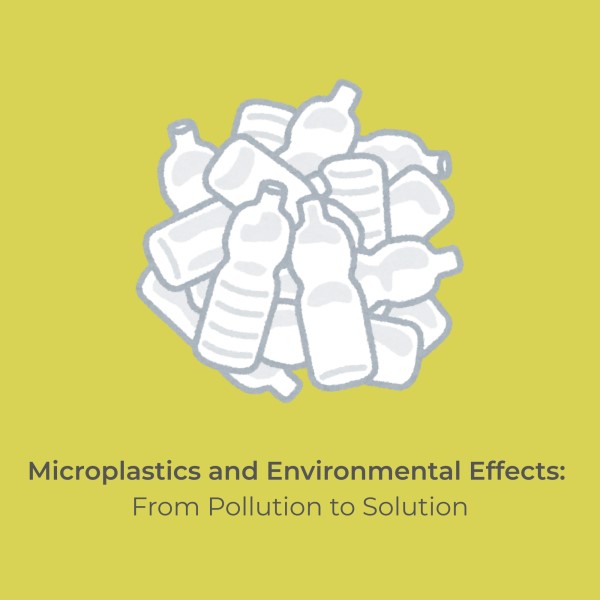
This month, we are excited to feature Chit and Bao-Son, instructors of the GETSEA mini-course Microplastics and Environmental Effects: From Pollution to Solution.
Microplastics have emerged as a major environmental and public health concern, particularly in rapidly developing regions such as Southeast Asia, where plastic production, consumption, and waste management challenges intersect with dense populations and transboundary water systems. This interdisciplinary mini-course explores microplastics from multiple angles, including sources and environmental pathways, ecological and human health impacts, monitoring techniques, and policy-relevant solutions. Through a modular co-teaching approach, each instructor leads sessions aligned with their expertise, while maintaining strong thematic integration across the course. Global concepts are introduced first, followed by in-depth regional case studies from Southeast Asia.
Meet the Instructors
Bao-Son
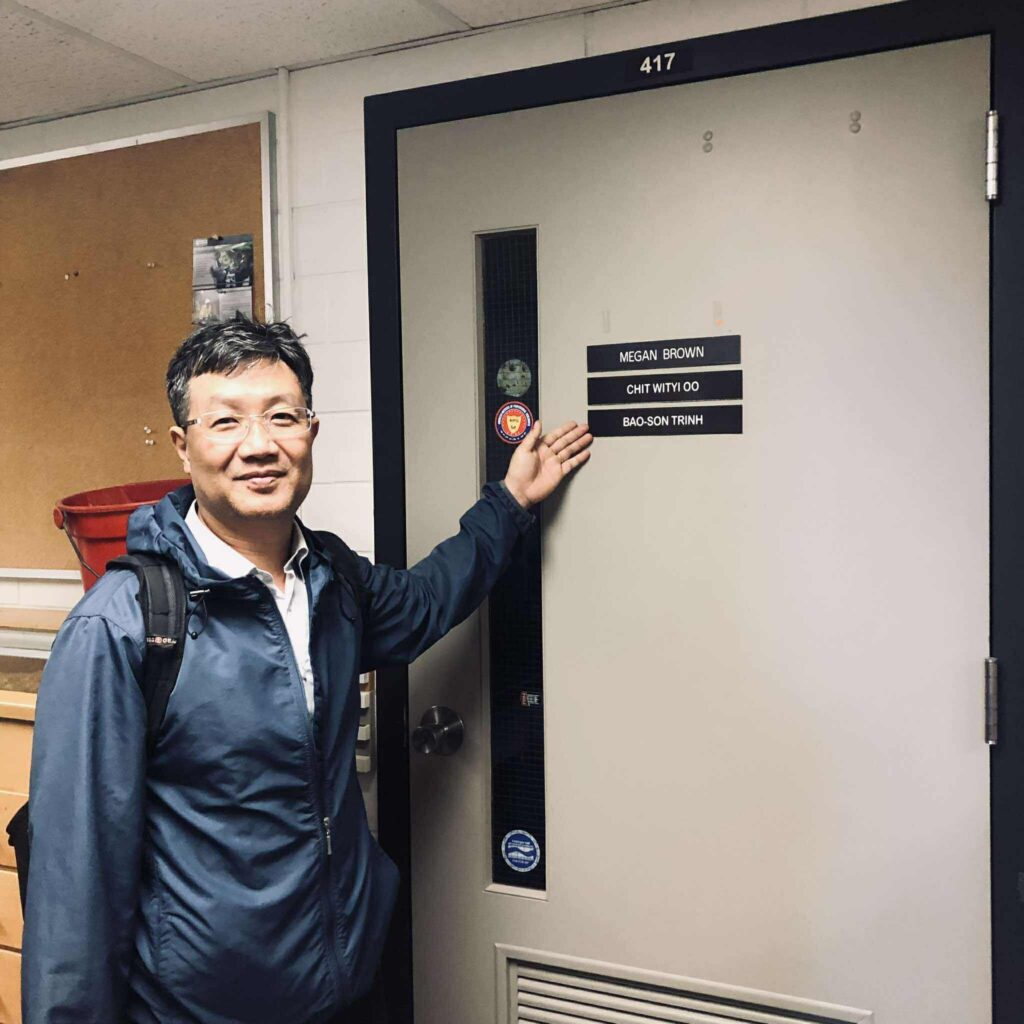
The GETSEA mini-courses on “Microplastics and Environmental Effects: From Pollution to Solution” have inspired international participants from a wide range of disciplines. The course aims to provide not only fundamental knowledge on microplastics, but also insights into the latest scientific publications of microplastic effects on aquatic organisms. Based on their specific areas of expertise, participants are expected to extract relevant lessons and flexibly apply them to their own fields of study.
Chit Oo
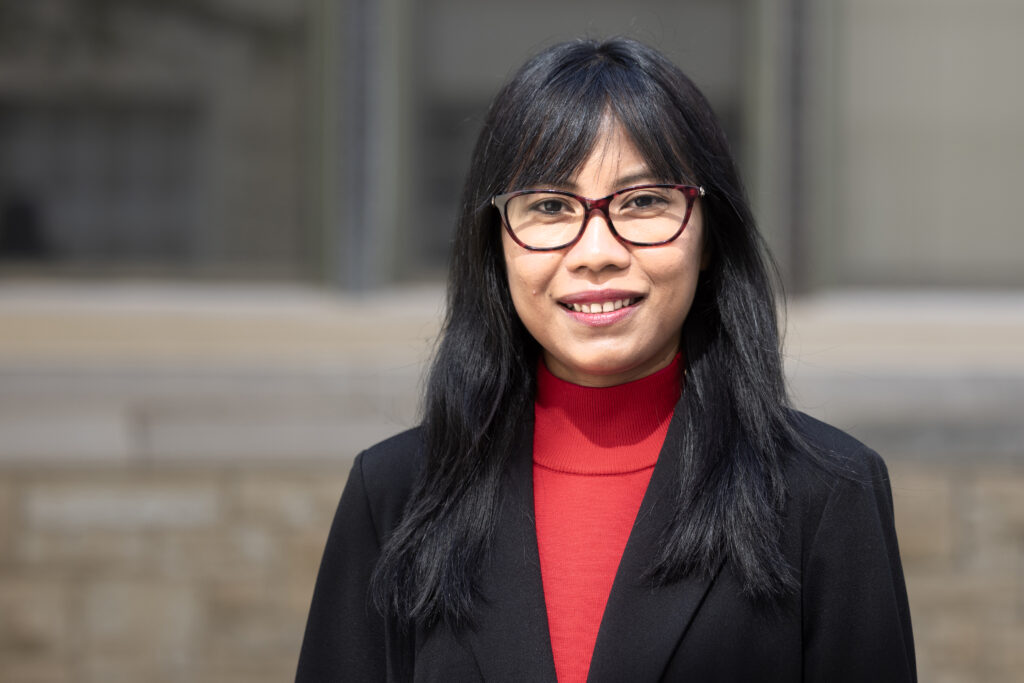
One of the most exciting aspects of this minicourse is the diversity of the students, who come from different regions around the world and bring a wide range of academic, cultural, and professional backgrounds. This global perspective creates meaningful discussions about how microplastic pollution affects communities differently across regions and environments. In designing this course, the goal was to make the content both scientifically grounded and accessible, connecting environmental contamination with real-world public health and sustainability challenges. The course emphasizes interactive learning, practical examples, and global case studies, particularly from Southeast Asia and freshwater systems, while introducing students to analytical techniques used in microplastics research. The goal is to help students better understand plastic pollution, its movement through the environment, and emerging concerns related to human exposure and health.
Chit and Bao-Son are leading a mini course on microplastics in Southeast Asia, bringing together 16 participants from around the world to engage in global dialogue and learning on the topic.